Teacher Nutrition Facts: A Designer’s Embroidery Review
As an embroidery designer who has spent countless hours digitizing, testing, and critiquing designs for real-world application, I approach every new file with a critical eye. We are not just looking at pretty pictures on a screen; we are evaluating how thread will interact with fabric, how tension will hold up after washing, and whether the final finished product will meet the high standards of modern crafters and boutique owners. Today, I am taking a close look at Teacher Nutrition Facts, a design that sits squarely in the popular niche of educator appreciation and classroom-themed decor.
First Impressions and Visual Personality
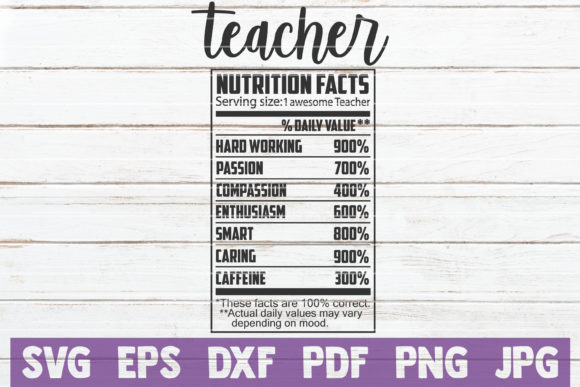
The first thing that strikes me about Teacher Nutrition Facts is its clever mimicry of the standard FDA nutrition label. It is a visual trope that is instantly recognizable, which is crucial for immediate customer engagement. The layout relies heavily on clean lines, bold typography, and structured blocks of text. From a Graphics perspective, the design is minimalist yet information-dense. It does not rely on complex shading or gradient fills, which is a significant advantage for embroidery.
The mood is playful, professional, and slightly humorous. It appeals directly to teachers who take pride in their profession but also appreciate a lighthearted nod to the "ingredients" that make them tick—patience, coffee, creativity, and love. This thematic resonance makes it a strong contender for personalized gifts and custom apparel. However, the reliance on text means that legibility is paramount. In embroidery, small text can easily become a blob of thread if not handled correctly.
Real-World Application: The Tote Bag Test
To truly evaluate this design, I imagined a specific use case: a canvas tote bag for a teacher’s end-of-year gift. Canvas is a sturdy, woven fabric with a distinct texture. When I visualize Teacher Nutrition Facts stitched onto a natural cotton canvas tote, the contrast between the dark thread (likely black or navy) and the light fabric creates a sharp, readable image. The rectangular shape of the "label" fits perfectly within a standard 5x7 or 6x10 hoop, making it efficient for production.
For an Etsy seller or small shop product creator, this versatility is key. The design translates well beyond tote bags. Imagine it on a heavy-weight sweatshirt, where the fill stitches provide a nice tactile contrast against the fleece. Or consider it as an embroidered patch that can be ironed onto a denim jacket or a classroom apron. The rigid structure of the design holds up well on curved surfaces like caps, provided the stabilizer is robust enough to prevent puckering.
Versatility Across Product Lines
This machine embroidery design is not limited to apparel. Its graphic nature makes it suitable for home decor items such as pillow covers or kitchen tea towels. For baby items, while the theme is teacher-specific, the aesthetic could be adapted for "Mom Nutrition Facts" or "Dad Nutrition Facts" with minor text edits, expanding its commercial potential. As a digital embroidery file, it serves as a foundational asset for creative entrepreneurs who want to create cohesive branding across multiple product types.
Technical Considerations for Stitching
While the concept is strong, the execution requires attention to detail. The primary challenge with text-heavy designs like Teacher Nutrition Facts is stitch density and resolution. Small letters, particularly those in the ingredient list or percentage values, must be digitized with precision. If the stitch density is too high, the fabric may pucker, especially on thinner materials like t-shirt jersey. If it is too low, the text may look sparse and unprofessional.
I recommend using a cut-away stabilizer for stretchy fabrics like sweatshirts or t-shirts to ensure the design remains stable over time. For woven fabrics like canvas or linen, a tear-away stabilizer may suffice, but testing is essential. The design likely utilizes a combination of running stitch for outlines and borders, and fill stitch for any shaded areas or larger blocks. Satin stitches might be used for the main title text, which provides a smooth, glossy finish that stands out against the matte texture of the fabric.
Fabric and Thread Selection
Thread color choice is critical here. To maintain the authenticity of the nutrition label look, high contrast is necessary. Black thread on light fabrics is the safest bet. However, for a more customized look, a school’s colors could be incorporated into the border or header, provided the text remains legible. Avoid using variegated threads for the text elements, as they can reduce readability.
When working with dark fabrics, the design may need to be inverted or outlined with a lighter thread to ensure visibility. Always test the design on scrap fabric of the same type and weight as your final project. This step allows you to check for registration issues, where layers of stitching might not align perfectly, causing a blurry appearance.
Commercial Viability and Brand Consistency
For craft business owners, Teacher Nutrition Facts offers strong commercial potential. Teacher appreciation is a year-round market, with peaks during back-to-school season, holidays, and the end of the academic year. The design’s clean, modern aesthetic fits well with current trends in handmade products, moving away from overly ornate styles toward minimalist, graphic designs.
Using this design in your commercial embroidery projects can enhance brand consistency if your shop specializes in personalized, text-based gifts. It signals to customers that you offer thoughtful, relevant designs rather than generic clipart. Furthermore, the inclusion of multiple file formats—DXF, SVG, PNG, JPG, EPS, and PDF—means that this asset is not just for embroidery machines. You can use the SVG or PNG files for printable mockups, sublimation printing, or vinyl cutting, creating a cohesive product line across different crafting methods.
Practical Designer Notes
Before committing to a large production run or listing this item in your online store, consider the following practical steps:
- Check Hoop Size: Ensure the design fits comfortably within your machine’s hoop size without requiring excessive re-hooping or resizing, which can distort the text.
- Inspect Small Details: Zoom in on the digital preview to check the smallest text elements. If they appear pixelated or overly dense in the preview, they may cause issues during stitching.
- Test on Various Fabrics: Stitch the design on at least three different fabric types (e.g., cotton, polyester blend, canvas) to understand how it behaves on different textures.
- Review Licensing: Confirm the licensing terms provided with the download. While the file includes various formats for personal and commercial use, always verify if there are restrictions on mass production or digital resale.
- Mockup Presentation: Use the included PNG and JPG files to create high-quality mockups for your Etsy listings or social media marketing. Show the design on realistic products to help customers visualize the final result.
Final Verdict
Teacher Nutrition Facts is a well-conceived design that bridges the gap between novelty and professionalism. It is not just a cute graphic; it is a functional embroidery file that, when executed with proper technique, results in a high-quality handmade product. Its strength lies in its recognizability and versatility, making it a valuable addition to the toolkit of any embroidery designer or apparel decorator.
For those in the Crafts industry looking to expand their teacher-themed offerings, this design provides a solid foundation. By paying attention to stitch density, stabilizer choice, and fabric selection, you can transform this digital asset into a tangible item that brings joy to educators and value to your business. Remember, the success of any embroidery project lies in the details, and with careful preparation, Teacher Nutrition Facts can be a standout piece in your portfolio.