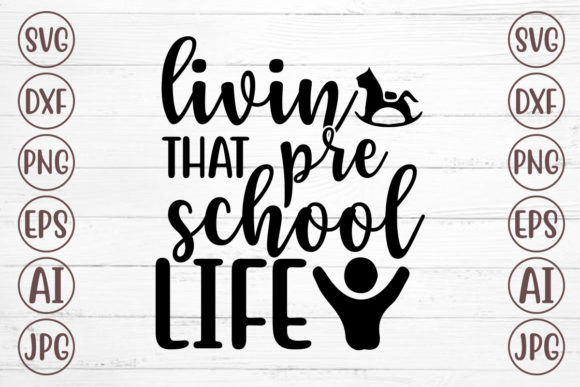
Livin That Pre School Life: A Designer's Review for Embroidery
As a designer who spends more time staring at stitch maps than most people care to admit, I approach every new machine embroidery design with a healthy dose of skepticism. We have all been there: you buy a cute graphic online, load it onto your machine, and halfway through the run, you realize the density is too high for the fabric or the lettering is too small to stitch out cleanly. That is why I took a close look at Livin That Pre School Life before committing it to a client project. This isn't just about whether the image looks cute on a screen; it is about how it translates into thread, how it holds up on a handmade product, and whether it delivers value for an Etsy seller or boutique owner.
First Impressions and Visual Personality
When I first opened the files included in the download, my immediate thought was about versatility. The package arrives as a digital embroidery file set containing AI, SVG, and PNG formats. While this listing falls under Crafts and Graphics, the real utility here lies in the "Word By Layer" structure of the SVG files. For those of us who digitize or modify designs, having layers is a game-changer. It means I can isolate specific elements if I need to adjust the layout for a tricky hoop size or swap out a colorway without messing up the entire composition.
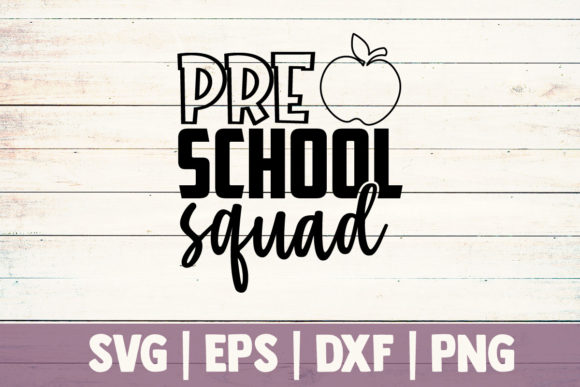
The mood of Livin That Pre School Life is playful yet structured. It captures that specific moment in a child's life where they are gaining independence but still need a little guidance. Visually, the typography feels friendly and approachable, which is exactly what parents want to see on back-to-school gear. However, from a technical standpoint, the visual personality suggests this design works best when given enough room to breathe. It is not a design that should be cramped into a tiny corner; it demands center stage on a garment or bag to truly shine.
Real-World Application: The Tote Bag Test
To give you a practical perspective, let's walk through a real scenario. Imagine a customer orders a custom tote bag design for their child's first week of preschool. They want something durable, washable, and stylish. I would immediately gravitate toward using Livin That Pre School Life for this. Why? Because tote bags usually offer a large, flat stitching area, allowing the design to be rendered at an optimal size.
In this scenario, I would likely treat the text as a fill stitch area to ensure opacity and durability, while any decorative icons might benefit from a satin stitch border to make them pop against the canvas fabric. If I were producing these for a craft business, consistency is key. The layered SVGs allow me to create a template in my editing software, ensuring that every single bag I produce has the design placed in the exact same spot. This level of precision builds customer trust and elevates the perceived value of the finished product.
Beyond tote bags, this design is a strong contender for sweatshirt embroidery. The soft, rounded aesthetic of the font pairs beautifully with the cozy texture of fleece or French terry. However, one must be cautious. Sweatshirts are often thick and textured. If the stitch density is too low, the fabric might peek through the letters, making the text hard to read. Conversely, if the density is too high, the fabric might pucker. This is where testing on scrap fabric becomes non-negotiable.
Navigating Fabric Challenges and Hoop Sizes
While Livin That Pre School Life is versatile, it is not universal. There are specific situations where you need to proceed with caution. For instance, if you are attempting this on a cap or hat, remember that curved surfaces distort designs. The horizontal spread of the text might need to be arched digitally before stitching to look correct on the finished hat. Additionally, caps have limited space. If the design includes fine details or tiny lettering, it might blur together when stitched on a curved brim.
Similarly, consider the fabric type. On thin, stretchy fabrics like a lightweight toddler t-shirt, the weight of the thread can cause the garment to warp. In these cases, using the right stabilizer is critical. I would recommend a cut-away stabilizer for items that will undergo frequent washing, such as baby embroidery projects or daily-wear school clothes. A tear-away might be sufficient for a wall hanging or a pillow cover that sees less agitation, but for a personalized gift meant to last a whole school year, durability is paramount.
Another consideration is color contrast. The design's appeal relies heavily on the readability of the text. If you are stitching on a dark navy backpack or a black hoodie, you must ensure your thread colors provide enough contrast. Light pastels might get lost against dark backgrounds, diminishing the impact of the message. Always test your color combinations on a mockup or a scrap piece of the actual fabric before running the full production batch.
Commercial Viability and Brand Consistency
For small shop product creators and commercial embroidery professionals, the licensing and file usability are just as important as the stitch quality. Since this is a digital download with no physical product, you are responsible for understanding the license terms regarding resale. Generally, designs like this are intended for use on finished physical goods, but you should always verify if you can sell the digital files themselves or only the stitched items.
From a branding perspective, Livin That Pre School Life offers a cohesive look that can help define a seasonal collection. Whether you are creating holiday embroidery for the start of the school year or custom apparel for a daycare center, this design provides a professional anchor. It signals to buyers that you pay attention to trends and quality. When a customer sees clean, well-executed lettering on a product, it reinforces the idea that your handmade product is worth the investment.
Practical Notes for the Studio
Before you commit to a large order, here are a few final checks I always perform with new assets:
- Check the Layers: Open the SVG in your preferred software to ensure the "Word By Layer" feature works as expected for your workflow.
- Test Density: Run a sample on the actual fabric you plan to use. Look for puckering or pull-outs.
- Verify Hoop Size: Ensure the design fits comfortably within your machine's hoop size limits without needing excessive re-hooping.
- Mockup Variations: Create black and white mockups to check contrast and visibility before selecting thread spools.
- Review Licensing: Confirm the terms for commercial use to protect your business.
In conclusion, Livin That Pre School Life is a solid addition to a designer's library, provided it is used with intention. It excels in applications where space allows the typography to be the hero, such as tote bags, sweatshirts, and nursery decor. By paying attention to fabric texture, stabilizer choice, and placement, you can transform this digital asset into a high-quality embroidered patch or garment that customers will love. It is a reminder that great embroidery isn't just about the file you buy; it is about the expertise you apply to bring it to life.